Prewar co-op kitchens in Astoria, Long Island City and across Queens were built for an icebox and a two-burner stove, not a full-size refrigerator and a dishwasher wedged in beside it. That mismatch is the real reason these appliances need attention more often than the ones in a newer building.
Tight clearances mean the appliance is always working harder
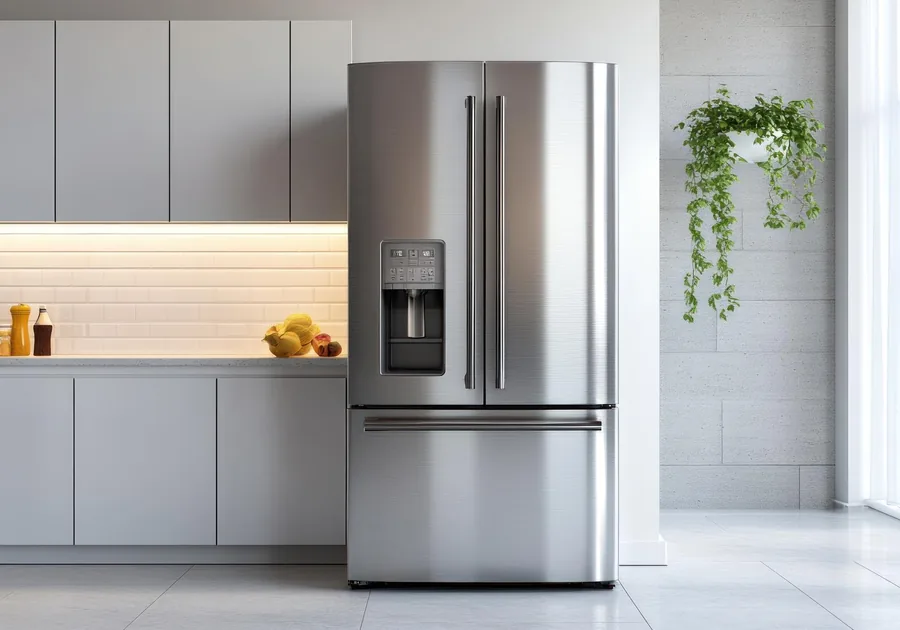
A refrigerator needs air moving across its condenser coils to get rid of the heat it pulls out of the box. In a prewar galley kitchen, the space on either side and behind the unit is often just enough to slide it in and not an inch more. With no room to breathe, the compressor runs longer on every cycle, and coils that would need cleaning once a year in a modern kitchen need it twice.
Dishwashers face the same problem from the other direction: a cabinet cut down to fit a slimmer footprint than the appliance was designed for means less insulation, less clearance around the motor, and a pump that has to fight harder against plumbing it was squeezed onto decades after the building went up.
The wiring was not built for what plugs into it today
A lot of prewar buildings are still running circuits sized for lamps and a radio, not a refrigerator, a dishwasher and a microwave sharing one kitchen. Older wiring means voltage that sags when the compressor kicks on, and a refrigerator running on low voltage works its motor harder to make the same amount of cold. Over years, that shortens the life of a start relay and a compressor alike.
If your lights dim when the refrigerator cycles on, that is worth mentioning when you call us. It tells our technicians where to look first.
What actually helps
- Pull the refrigerator out once a year and vacuum the coils, even if it means moving it into the hallway to do it properly.
- Leave what clearance you can. An extra inch behind a unit that has none is still an improvement.
- Have an electrician check the kitchen circuit if you notice dimming lights or a refrigerator that never seems to stop running. It may be the wiring rather than the appliance.
- Have the dishwasher inlet screen cleaned periodically. Older building plumbing tends to carry more sediment than newer supply lines.
We know these buildings
Our technicians work in prewar co-ops and apartment buildings across Astoria, Long Island City, Sunnyside, Woodside, Jackson Heights, Forest Hills, Rego Park, Bayside, Whitestone, Douglaston and Great Neck every week. We know what a board approval letter looks like, we know which buildings want the freight elevator booked in advance, and we show up ready for a kitchen that was never built for the appliances now living in it.
Call (718) 000-0000 and tell us what building you’re in. It helps us plan the visit.